From simple disposable items to complex implantable components, plastic for medical devices appears in a wide range of modern healthcare. As the medical industry continues to move toward devices that are lighter, more cost-effective, and easier to sterilize, plastics used in medical devices have become central to modern medical molding manufacturing practices.
What Is a Medical Grade Plastic?
Medical-grade plastics are polymers that meet specific regulatory, biocompatibility, and performance standards required for contact with the human body, pharmaceuticals, or sterilization environments. These materials must maintain their integrity under chemical exposure, repeated cleaning cycles, high temperatures, or long-term storage. Medical-grade polymers are typically tested according to standards such as ISO 10993 for biocompatibility or USP Class VI for toxicity evaluation, ensuring that the material does not release harmful substances during use.
To qualify as materials for medical plastic devices, a polymer must demonstrate predictable and traceable performance. In many cases, these plastics are formulated to withstand sterilization methods such as steam autoclaving, ethylene oxide, dry heat, or gamma radiation without losing mechanical properties.
Key Features of Medical Plastics
Medical plastics possess specific properties that make them suitable for healthcare use. These features address the demands of sterilization, durability, and patient safety.
- Biocompatibility: No toxic, allergic, or inflammatory responses in contact with tissues or fluids.
- Chemical resistance: Remains stable when exposed to disinfectants, drugs, or bodily fluids.
- Sterilization resistance: Withstands methods like steam autoclaving, gamma radiation, ethylene oxide, or electron beam without degradation.
- Mechanical strength: Provides impact resistance, fatigue resistance, flexibility, or rigidity as needed for plastic medical parts.
- Transparency: Allows visual inspection in components like IV lines, blood sample containers, or device housings.
- Thermal stability: Maintains properties across wide temperature ranges during processing or use.
- Lightweight: Reduces overall weight of plastic medical equipment compared to metal alternatives.
- Cost-effectiveness: Supports high-volume production through injection molding or extrusion.
What Plastics Are Used in Medical Devices?
A variety of polymers are utilized depending on the device’s performance requirements, cleaning conditions, and expected lifespan. The following materials represent the most common plastics used in medical devices today.
Polypropylene (PP)
Polypropylene in medical devices is widely used because of its chemical resistance, fatigue strength, and ability to withstand autoclave sterilization. It is lightweight, stable, and cost-efficient. Polypropylene medical devices include syringe barrels, specimen cups, pill containers, diagnostic housings, and disposable labware.
Polyethylene (PE)
PE is used for soft tubing, squeeze bottles, and fluid transfer components. It offers high chemical resistance, wear resistance, and flexibility. High-density polyethylene (HDPE) is often used for rigid containers, while low-density polyethylene (LDPE) is preferred for softer packaging.
Polycarbonate (PC)
PC offers high impact strength and excellent optical clarity. It is frequently used in transparent plastic medical products that require visibility, such as blood filters, oxygenators, and surgical instrument housings. It also supports precise molding of complex shapes.
Polyvinyl Chloride (PVC)
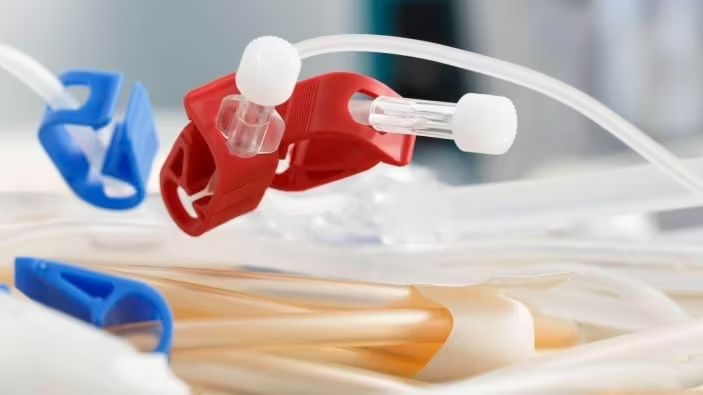
PVC is used for flexible and semi-rigid medical components, including IV tubing, breathing masks, catheter housings, and blood bags. It can be formulated to achieve specific softness or rigidity levels.
Acrylonitrile Butadiene Styrene (ABS)
ABS is a tough, rigid plastic suited for device housings, connectors, and handheld diagnostic instruments. It offers good dimensional stability and impact resistance.
Polystyrene (PS) and High-Impact Polystyrene (HIPS)
These materials are commonly used for petri dishes, diagnostic trays, and laboratory sample containers due to their clarity and cost-effectiveness.
Polyether Ether Ketone (PEEK)
PEEK is an advanced engineering polymer known for its strength, heat resistance, and great chemical stability. It is used in surgical instruments, implant components, and high-stress parts that require long-term durability.
Thermoplastic Elastomers (TPE)
These materials combine flexibility with strength and are used in seals, grips, wearable components, and soft medical parts that need to conform to the body.
Medical-Grade Silicone
Silicone is widely used in applications requiring biocompatibility and softness. Examples include wound dressings, catheter tips, respiratory devices, and prosthetics.
Common Medical Parts Made From Different Plastics
The choice of plastic depends on the specific requirements of the component. The table below summarizes common materials and their typical uses in plastic medical parts.
| Material | Key Characteristics | Example Medical Components |
|---|---|---|
| PP | Chemical resistance, autoclave stability | Syringe barrels, labware, specimen containers |
| PE | Flexibility, chemical stability | Tubing, squeeze bottles, transfer containers |
| PC | High strength, optical clarity | Blood reservoirs, oxygenator housings, protective covers |
| PVC | Flexibility, soft-touch options | IV lines, catheters, breathing circuits |
| ABS | Rigidity, impact resistance | Monitor housings, instrument handles |
| PS / HIPS | Clarity, low cost | Petri dishes, diagnostic trays |
| PEEK | Heat and chemical resistance | Surgical tools, implant components |
| TPU / TPE | Flexibility with durability | Seals, grips, wearable medical products |
| Silicone | Biocompatibility, softness | Catheter parts, wound care items |
Manufacturing Safe and Effective Medical Components
Producing safe plastic medical devices requires more than material selection. Processes like injection molding, extrusion, and 3D printing must occur in cleanroom environments to prevent contamination. Quality control includes traceability from raw material to finished product, with testing for leachables and extractables.
Select appropriate polymers and implement proper manufacturing controls, We are able to create plastic medical parts that meet the needs of healthcare professionals while supporting efficient and scalable production.