Polyurethane casting is a versatile and cost-effective manufacturing process used to create high-quality plastic and rubber-like parts. This method bridges the gap between prototyping and full-scale production, offering flexibility in design, material properties, and surface finish.
What is Polyurethane Casting?
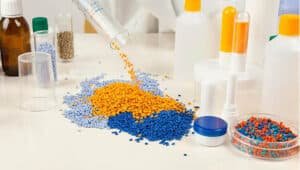
Polyurethane casting is a process that involves mixing liquid polyurethane resin with curing agents and pouring the mixture into a mold. The mixture reacts at room temperature or mild heat and solidifies in 30 minutes to 24 hours. The result is a cast PU part with rubber-to-plastic properties.
The molds used in this process are typically made from two main materials: silicone molds and permanent molds.
- Silicone molds are flexible, easy to produce, and commonly used for small production runs or prototype development. They allow easy demolding and maintain good dimensional accuracy.
- Permanent molds are typically made of metal materials. They are used for higher production volumes or when consistent precision is required. These molds are durable and can withstand repeated casting cycles without losing detail or tolerance accuracy.
Is Polyurethane Casting the Same as Vacuum Casting?
Polyurethane casting and vacuum casting are often used interchangeably, but there are subtle differences between them.
In polyurethane casting, the process begins with preparing the polyurethane resin and hardener, which are mixed and poured into a mold under normal atmospheric conditions. The mold may be made from silicone for prototyping or from metal material for repeated use. Once filled, the mixture is left to cure, typically at room temperature or in an oven, until the material solidifies. This approach is straightforward and works well for larger or less intricate parts where minor air bubbles are acceptable.
Vacuum casting follows a more controlled procedure. The polyurethane resin is first degassed in a vacuum chamber to remove entrapped air before pouring. Then, after filling the silicone mold, the mold itself is placed back under vacuum to eliminate any remaining bubbles and ensure that the resin completely fills fine details. Once cured, the part is removed and post-processed if needed. This additional vacuum stage produces components with smoother surfaces, higher dimensional accuracy, and no internal voids.
Advantages of Polyurethane Casting
Material Versatility: A wide range of polyurethane casting materials can mimic different properties, from soft rubber-like elastomers to rigid plastics. This flexibility allows designers to match the mechanical performance to application requirements.
- Low Tooling Cost: Compared to injection molding, PU casting requires simpler and less expensive tooling, especially when silicone molds are used.
- Rapid Production: Mold preparation and casting cycles are relatively fast, making it ideal for prototyping or low-volume manufacturing.
- Surface Quality: The process reproduces fine details and smooth surfaces without additional finishing.
- Mechanical Strength: Urethane parts demonstrate excellent abrasion resistance, tensile strength, and load-bearing capacity.
Disadvantages of Polyurethane Casting
Despite its benefits, polyurethane casting also has limitations that should be considered during design and planning.
- Limited Production Volume: Silicone molds have a shorter lifespan than metal molds, typically limited to 20–50 casts before degradation.
- Dimensional Stability: Polyurethane materials can experience slight shrinkage during curing, affecting tolerance accuracy in high-precision components.
- Material Sensitivity: Polyurethane resin is sensitive to moisture and temperature variations, which can affect curing quality.
How to Select the Right Polyurethane Casting Material?
Selecting the right polyurethane casting material ensures durability and proper performance of the final part. Focus on the following factors:
Mechanical Properties & Hardness
Consider flexibility, stiffness, toughness, and temperature tolerance. Polyurethane hardness ranges from soft elastomers (Shore A 40–90) to rigid grades (Shore D 60+), and choosing the appropriate hardness ensures proper functionality and longevity.
Wear and Chemical Resistance
For parts exposed to friction, impact, or chemicals, select urethane formulations with high abrasion and chemical resistance to prevent degradation, swelling, or cracking under operating conditions.
UV Stability, Color, and Clarity
For outdoor or visible applications, UV-stabilized polyurethane preserves mechanical integrity and prevents discoloration or surface degradation. Material color can be customized for branding or identification, while transparent or translucent grades are suitable for optical parts, lenses, and prototypes.
Compliance and Mold Compatibility
For food or medical applications, ensure the material meets FDA or ISO standards for biocompatibility and sterilization. Additionally, selecting a resin compatible with the mold material reduces sticking, deformation, and surface defects, ensuring consistent quality across production runs.
Design Considerations for Polyurethane Casting
Design optimization plays a key role in the success of urethane casting projects. Careful design not only improves part quality but also extends the service life of molds, especially when using silicone-based tooling.
Draft Angles: Adequate draft facilitates easy demolding and reduces stress on the mold.
Wall Thickness: Uniform wall thickness ensures consistent curing and minimizes air entrapment.
Venting and Gating: Proper venting prevents bubble formation, while balanced gating improves material flow.
Shrinkage Compensation: Accounting for minor shrinkage during curing ensures dimensional precision.
Surface Finish and Color: Polyurethane casting allows pigments and additives to be incorporated directly, offering aesthetic flexibility.
Common Industries Using Polyurethane Components
Polyurethane casting has become an essential manufacturing solution across diverse industries due to benefits.
Automotive Industry
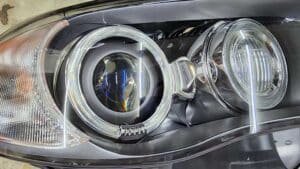
In the automotive sector, urethane casting is extensively used to produce both prototype and end-use parts. Polyurethane’s excellent abrasion resistance, dimensional stability, and ability to replicate fine surface details make it ideal for complex vehicle components. Common applications include bumpers, seals, bushings, dashboards, trim panels, and interior housings.
Custom Auto part
Transportation
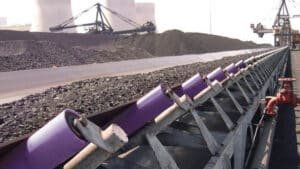
The transportation and logistics industry relies heavily on polyurethane components for equipment that undergoes continuous motion and load-bearing stress. Polyurethane’s resilience and high load-bearing capacity make it suitable for manufacturing rollers, wheels, conveyor components, and protective bumpers. These urethane parts are widely used in conveyor systems, warehousing equipment, and automated guided vehicles (AGVs).Mining and Heavy Industry
In mining operations and heavy industrial environments, cast polyurethane demonstrates outstanding resistance to abrasion, tearing, and chemical corrosion properties. Typical polyurethane components include liners, screens, couplings, seals, and protective coatings used in crushing, material handling, and drilling systems.Custom Mining Part
Industrial Equipment and Machinery
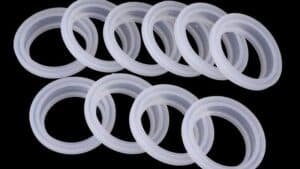
Polyurethane balance of flexibility and rigidity. Polyurethane casting is frequently employed in the production of industrial components that require high mechanical strength and precise tolerances. Applications include gears, gaskets, rollers, bushings, and vibration-damping mounts used in factory automation and manufacturing systems.Medical and Healthcare
The medical field benefits from urethane casting for both functional and prototype parts. Polyurethane’s biocompatibility and precision make it suitable for prosthetic components, diagnostic device housings, and customized medical tools.Custom Medical Equipment
Electronics and Consumer Products
Manufacturers of electronics and consumer goods use thermoplastic elastomer molding and polyurethane casting techniques to produce enclosures, switches, and connectors for low-volume runs. The material’s electrical insulation and surface quality make it ideal for functional prototypes and limited production parts.Custom Electronic Parts
Compare Polyurethane Casting vs. Other Manufacturing Methods
Polyurethane casting stands out from other manufacturing methods in terms of cost, speed, and flexibility. The table below highlights its main differences.| Comparison Item | Polyurethane Casting | Injection Molding | CNC Machining | 3D Printing |
|---|---|---|---|---|
| Production Volume | Low to medium | High | Single to small batches | Low to medium |
| Tooling Cost | Low | High | None | Moderate |
| Material Variety | Excellent | Broad (mostly thermoplastics) | Depends on material type | Excellent (metals, plastics) |
| Lead Time | short | Longer | Very short | Medium |
| Typical Use | Prototypes, short-run production | Mass production | Prototypes, complex geometries | Precision parts, tooling components |
Conclusion
Polyurethane casting stands out as a practical and efficient method for producing functional prototypes and small-batch components. Zhongren provides professional polyurethane casting services, offering complete support from material selection to finished part production. With expertise in PU casting and urethane molding, Zhongren helps clients streamline processes, reduce costs, and achieve consistent product quality. Welcome to contact and get a custom solution.