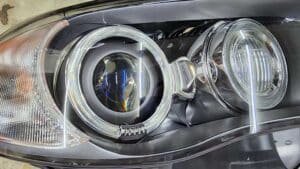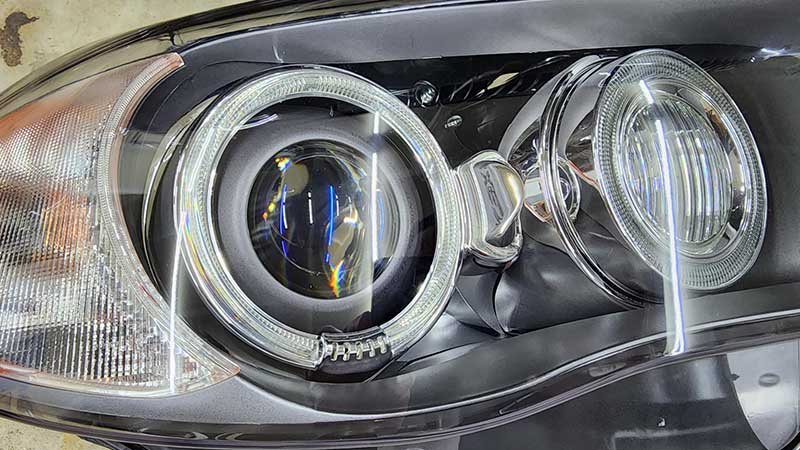
In modern automotive design, headlamps play a crucial role in ensuring safe driving conditions, particularly at night or in poor visibility. As headlamps continue to evolve, the materials used for their lenses and housings have become a key consideration for both manufacturers and consumers. Among the various materials available, polycarbonate stands out as the material of choice for headlamp lenses. What is headlamp lens? Today, virtually every new car leaves the factory with a polycarbonate headlamp lens.
Why Choose Polycarbonate (PC) Material for Customized Headlights?
Polycarbonate provides impact strength roughly 250 times higher than glass while weighing about half as much. In frontal collisions or stone impacts, a polycarbonate headlamp lens typically remains intact, preventing sharp fragments from entering the engine bay or injuring pedestrians.
Polycarbonate can be molded into complex aerodynamic shapes that would be difficult or impossible with glass. This flexibility has enabled the thin, sculpted headlamp designs seen on modern vehicles.
What Actually Causes Headlamp Fogging and Yellowing?
Over time, many polycarbonate headlamps develop a hazy or yellowed appearance. The main causes are:
Oxidation from UV Exposure: Polycarbonate headlamp lenses are susceptible to UV degradation when exposed to sunlight over time. This process is gradual but inevitable, especially if the headlamps are not treated with protective coatings.
Damage from Road Debris: The surface of polycarbonate lenses is porous, which makes it more likely to absorb dust, dirt, and road chemicals.
Chemical and Dirt Build-up: In addition to road debris, environmental factors like rain, snow, and winter de-icing agents can contribute to the accumulation of chemicals and dirt on the headlamp surface.
Can Polycarbonate Headlights Stay Clear Forever?
No headlamp material is completely immune to aging, but there are ways to maintain their clarity of polycarbonate headlamps and extend their lifespan.
- Protective Coatings: Many manufacturers apply UV-resistant coatings to polycarbonate headlamps during the production process. These coatings, typically 15–25 μm thick, block more than 99% of harmful UV rays and significantly slow oxidation of the underlying polycarbonate.
- Regular Maintenance: Regular cleaning and maintenance of polycarbonate headlamps can also help prevent fogginess. Using mild cleaners and avoiding abrasive materials that can scratch the surface will preserve the clarity of the lens.
Difference Between Polycarbonate and Acrylic Headlamp Lenses
Impact Resistance
Polycarbonate is much more durable and impact-resistant than acrylic. It is significantly stronger, making it ideal for automotive headlamps that need to withstand road debris and accidents. Acrylic, on the other hand, is more prone to cracking or shattering upon impact.
Light Transmission
Acrylic has better light transmittance, allowing more light to pass through, which results in greater clarity. Polycarbonate is slightly less transparent but still provides sufficient clarity for headlamp lenses. Additionally, polycarbonate lenses can be treated with coatings to improve light transmission and reduce yellowing.
Fabrication and Flexibility
Polycarbonate is more flexible and easier to mold into complex shapes without the need for heating. Acrylic, however, requires heating to be molded or bent.
Cost
Acrylic is generally less expensive than polycarbonate, making it a more budget-friendly option. However, the higher cost of polycarbonate is often justified by its superior durability and performance, especially in automotive applications.
Heat Resistance
Polycarbonate can withstand higher temperatures without warping, making it better suited for headlamp lenses exposed to heat from the vehicle’s lighting system. Acrylic, on the other hand, has a lower heat resistance and is more likely to deform when exposed to high temperatures.
Polycarbonate Headlamp Molding Process
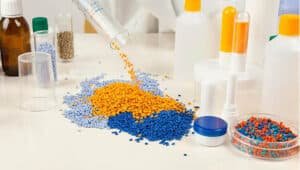
The manufacturing of polycarbonate headlamp lenses typically involves injection molding. This process allows for precise control over the shape and size of the lens, ensuring that it fits perfectly within the headlamp housing. Injection molding is an efficient and cost-effective method for producing large quantities of customized lenses, as it allows for the production of complex geometries with minimal waste.
The polycarbonate molding process also includes the addition of protective coatings or UV-resistant layers to the lenses. These coatings help to preserve the clarity and longevity of the lenses by preventing oxidation and yellowing caused by UV exposure.
Key Considerations in Polycarbonate Headlamp Design
When designing polycarbonate headlamps, the following factors should be considered to ensure high performance and durability:
- UV Protection: Polycarbonate lenses must be treated with UV coatings to prevent oxidation and yellowing over time. This extends the lifespan of the headlamp and ensures that it remains effective for years.
- Aesthetics and Aerodynamics: The design of the headlamp should complement the vehicle’s overall aesthetics while minimizing drag and improving fuel efficiency.
- Compatibility: The design must be compatible with the vehicle’s electrical system, ensuring that the headlamp functions correctly and efficiently.
Conclusion
In 2026, polycarbonate will still be the most practical and widely adopted headlamp material. Advances in protective coatings have largely addressed the yellowing issues that affected earlier generations. Zhongde provides professional injection molding process and coating service. Welcome to contact Zhongren for your new PC headlamps project.