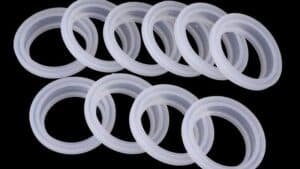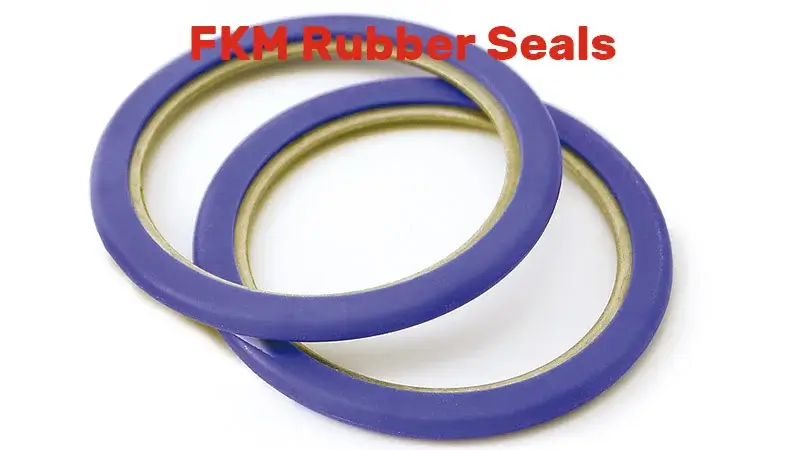
FKM seals are high-performance sealing solutions known for their exceptional resistance to heat, chemicals, oils, and oxidation. These properties make them ideal for demanding environments across automotive, aerospace, chemical processing, metallurgy, electronics, and power industries.
Key Characteristics of FKM Rubber
FKM rubber is a high-performance synthetic elastomer known for its outstanding resistance to heat, chemicals, oils, and aging. Thanks to the strong carbon-fluorine bonds in its molecular structure, FKM rubber molding products are engineered to withstand extreme conditions and deliver long-term performance for demanding sealing applications.
Why Are FKM Seals Important?
FKM rubber seals are widely recognized for their superior performance in demanding environments. The FKM seal properties that make them stand out include:
1.High-temperature resistance: FKM rubber seals can work for a long time in a high-temperature environment up to 300°C without hardening, softening, melting, etc.
2.Corrosion resistance: FKM rubber seals can resist corrosion from various chemical media, such as acid, alkali, salt, oil, etc.
3.Oxidation resistance: FKM rubber seals will not be oxidized at high temperatures and can maintain their physical properties for a long time.
4.Oil resistance and chemical stability: FKM rubber seals will not be corroded by oil and chemicals, which can ensure their sealing performance.
5.Excellent Weather and Ozone Resistance: FKM seals maintain integrity when exposed to harsh weather, UV radiation, and ozone, making them ideal for outdoor or long-term service conditions.
6.Low Compression Set: These seals retain their shape and elasticity even after prolonged compression, which helps prevent leakage and extends service life.
7.Versatility Across Applications: FKM seals are available in various hardness grades and formulations, making them suitable for static and dynamic sealing in a range of pressure and temperature conditions.
Application of FKM Rubber Seals
FKM rubber seals are widely used in mechanical engineering, mainly including the following aspects:
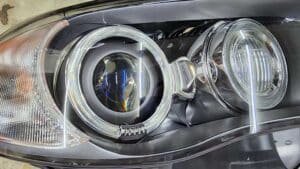
1.Automobile industry: FKM rubber seals, including FKM oil seals, are widely used in automobile engines, gearboxes, brake systems, air conditioning systems, and other parts, mainly used to seal oil, water, gas, and other media.
2.Aerospace industry: FKM rubber seals are used in aircraft engines, rocket engines, aerospace electronic equipment, and other parts, mainly used to seal high-temperature, high-pressure, and high-speed airflow.
3.Chemical industry: FKM rubber seals are used in chemical equipment, pipelines, valves, pumps, and other parts, mainly used to seal various corrosive media.
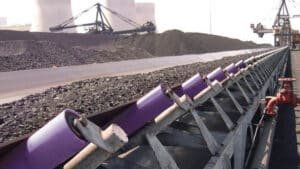
4.Metallurgical industry: FKM rubber seals are used in metallurgical equipment, pipelines, valves, pumps, and other parts, mainly used to seal high-temperature, high-pressure, high-speed airflow and various corrosive media.
5.Electronics industry: FKM rubber seals are used in electronic equipment, instruments, meters, and other parts, mainly used to seal various sensitive components and circuits.
6.Power industry: FKM rubber seals are used in power equipment, pipelines, valves, pumps, and other parts, mainly used to seal high-temperature, high-pressure, high-speed airflow, and various corrosive media.
How to Choose a Rubber Seal?
There are many different types of rubber seals on the market. You need to choose suitable rubber seals according to the actual working environment and requirements. The following aspects need to be considered when choosing a rubber seal:
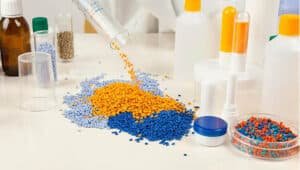
1. Material: Choose different FKM seal materials according to different use environments and requirements, such as silicone, FKM rubber , acrylic rubber, etc.
2. Specifications: Choose the appropriate specifications according to the use position and size of the seal.
3. Shape: The shapes of rubber seals include O-rings, star rings, D-rings, etc. Choose the appropriate shape according to different use scenarios and requirements.
4. Hardness: Hardness is one of the important indicators of rubber seals. Seals of different hardness are suitable for different working environments. Generally speaking, the higher the hardness, the longer the life of the seal.
5. Temperature: The operating temperature range of the rubber seal is also a factor that needs to be considered. Different materials and hardnesses have different properties at different temperatures.
6. Pressure: The pressure required by the seal is also a factor to consider. If the pressure in the working environment is high, you need to choose a seal that can withstand more pressure.
Choose Zhongren for Reliable Custom FKM Seals
Zhongren specializes in designing and manufacturing custom rubber components to meet the most demanding sealing challenges. Partner with Zhongren to get sealing solutions tailored to your exact needs.